
Running is one of the most rewarding ways to stay fit, but for many, it comes with a frustrating companion: knee and joint pain. Whether you’re dealing with the sharp ache of runner’s knee or the lingering discomfort of joint inflammation, the impact of each stride can feel like a direct hit to your knees.
While there is no “magic bullet” shoe that eliminates all pain, your footwear is your primary interface with the ground. Choosing the right pair can fundamentally alter the forces traveling up your legs. Here is how to navigate the technical world of running shoes to find the support your joints deserve.
The Mechanics of Pain: Why Footwear Matters
When you run, your body absorbs impact forces roughly three to four times your body weight. If your shoes lack the proper shock absorption or if they don’t accommodate your unique gait, that energy doesn’t just disappear—it travels directly into your joints.
Common issues like overpronation (where your foot rolls excessively inward) or supination (where the foot rolls outward) can force your knees to track incorrectly, creating misalignment and extra strain. By selecting a shoe that matches your biomechanics, you can help your body maintain its natural alignment, distributing impact more evenly and reducing the “jolt” that aggravates sensitive knees.
Key Features to Look For
When browsing, don’t just look for the most popular model; look for the features that address your specific biomechanical needs.
1. Midsole Cushioning
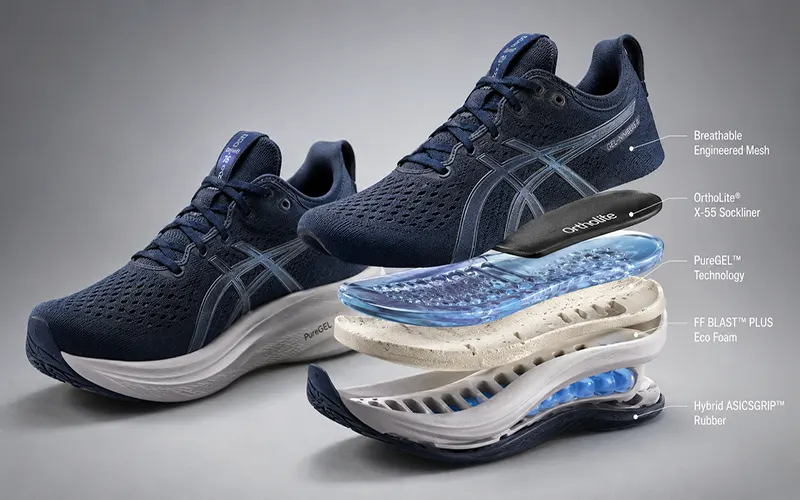
Cushioning acts as a shock absorber. For many, a plush, high-cushion shoe can provide the soft landing needed to soothe aching joints. However, be mindful: “more” isn’t always “better.” Excessive, squishy foam can sometimes cause the body to stiffen the legs to find stability, which paradoxically increases impact. Aim for a balance that feels supportive rather than unstable.
2. Stability vs. Neutral Support
- Stability Shoes: If you overpronate, look for shoes with medial posts or structural rails. These features provide a firmer foundation that prevents the foot from rolling too far inward, keeping the knee from twisting under pressure.
- Neutral Shoes: If you have a neutral gait, these offer even, consistent cushioning. They are often the best choice for runners who do not need extra arch correction and prefer a natural foot-strike.
3. Heel-to-Toe Drop
The “drop” refers to the difference in height between the heel and the forefoot.
- Higher Drop (8–12 mm): Generally reduces strain on the Achilles and calves, but can increase the load on the knee.
- Lower Drop (0–6 mm): Shifts the workload toward the calves and ankles. For some runners with chronic knee pain, a lower drop can provide significant relief, but it requires a period of adjustment for the lower leg muscles.
4. A Wide, Stable Base
Shoes with a wider outsole footprint offer a more stable platform. This extra surface area helps prevent the “wobble” that can lead to joint stress, especially as your muscles fatigue toward the end of a run.
The ‘Try-On’ Guide: How to Test Effectively
Never buy running shoes based on a quick walk around the store. Use these tips to ensure a proper fit:
- Shop in the Afternoon: Your feet naturally swell throughout the day. Trying on shoes in the afternoon ensures you’re accounting for your “running-sized” foot.
- The Thumb Rule: Ensure there is about a thumb’s width of space between your longest toe and the front of the shoe. A cramped toe box can force you to alter your gait, which leads to compensation injuries.
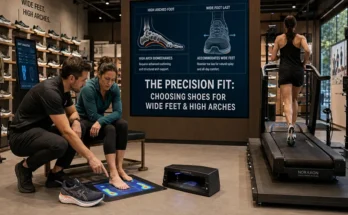
- Bring Your Old Shoes: The wear patterns on the soles of your current shoes tell a story. A specialty running store employee can look at these patterns to determine your pronation style and offer tailored recommendations.
- Take a Test Run: Most reputable running stores have treadmills. Put the shoes on and run for at least 5–10 minutes. If you feel “hot spots,” pressure, or instability, move on to the next pair.
Common Mistakes to Avoid
- The “Break-In” Myth: A good running shoe should feel comfortable the moment you put it on. If it feels stiff or uncomfortable, do not assume it will “break in” later—that’s a recipe for injury.
- Holding on Too Long: Foam degrades. Even if the shoe looks brand new, the internal cushioning loses its bounce between 300 and 500 miles. Running in “dead” shoes is one of the fastest ways to bring back joint pain.
- Ignoring Form: The right shoe is only half the battle. If your cadence is too slow or your posture is poor, no shoe can fully protect your knees.
Finding the perfect shoe is a process of trial and error. While proper footwear is a powerful tool for managing knee pain, it should be part of a broader strategy that includes strength training (specifically targeting the quadriceps, glutes, and hips) and listening to your body’s signals. If your joint pain persists, don’t hesitate to consult a physical therapist or sports medicine specialist to address the root cause of your discomfort.